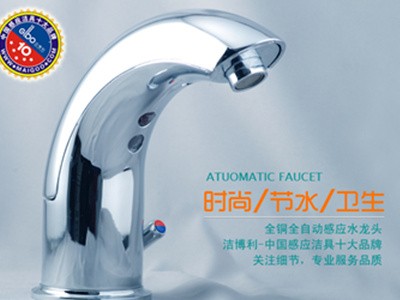
Water Pressure Requirements for Sensor Sanitary Ware
What are the water pressure requirements for sensor sanitary ware? The opera
Read moreSensor tapware concealed boxes are typically manufactured from four materials: iron, galvanized steel, ABS engineering plastic, and stainless steel. Iron concealed boxes generally feature a powder-coated finish to extend service life; however, this solution was primarily used in earlier products and is prone to corrosion within approximately two years. Galvanized steel and stainless steel both have bright surfaces but can be distinguished using a magnet, as stainless steel is non-magnetic. Galvanized steel offers slightly lower hardness than stainless steel. ABS engineering plastic tends to oxidize after about three years of use, causing internal hardening of the material.
Material | Salt & Alkali Resistant | Rust-resistant | Hardness | Magnetic Permeability | Service Life | Applicable Conditions |
Iron | No | No | Difference | Magnetic | 2 Years | Early Urinal Sensor Product Applications |
Stainless Steel | No | Rust-proof | General | Magnetic Conductivity | 5 Years | For use with lower-tier sensor urinal flush valves |
ABS Engineering Plastic | Corrosion-resistant | Corrosion-resistant | General | Non-magnetic | 5-Year Warranty | For Use in Seawater-Flushed Toilet Areas |
Brushed Stainless Steel Satin Stainless Steel | No | Corrosion-Resistant | Understood | Non-magnetic | Permanent |
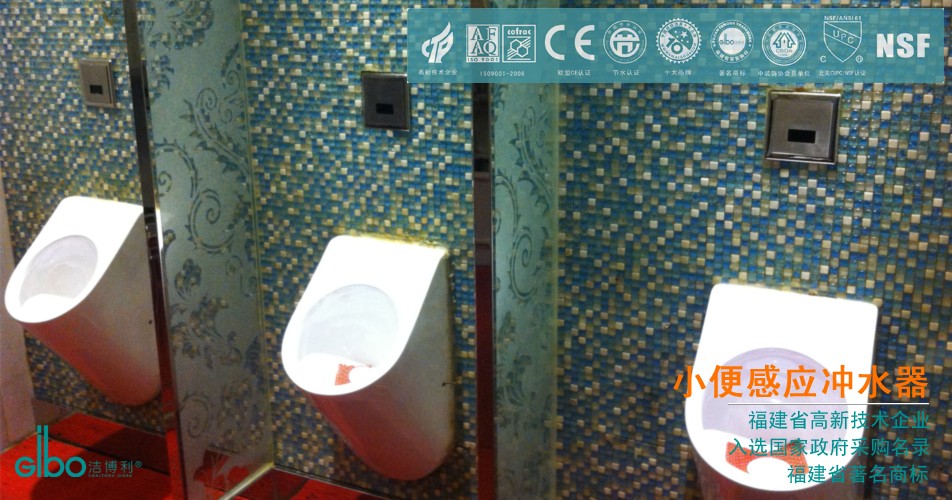
When selecting a urinal sensor, consider the compatible wall-hung or floor-standing urinal style and plan water supply and drainage piping based on the urinal’s dimensions and specifications.
As the range of one-piece ceramic urinals expands, more users are choosing sensor-activated one-piece ceramic urinals (integrated urinal sensors). With their attractive design, easy installation, and convenient maintenance, integrated sensor urinals have become a recommended choice among many designers.
What are the water pressure requirements for sensor sanitary ware? The opera
Read more
Why is your sensor faucet unresponsive? GIBO's touchless sanitary ware opera
Read more
To replace the batteries in GIBO sensor sanitary ware, remove the battery bo
Read more